
How to Know When You Need Therapy
We all go through phases when life feels heavier than usual, when even small things seem overwhelming. You might catch yourself wondering, “Do I really need therapy, or am I just overthinking it?”
The truth is, therapy isn’t a last resort. It’s a form of support for anyone who feels stuck, overwhelmed, or simply wants to gain a deeper understanding of themselves.
10 Signs You Might Benefit from Therapy
You might consider seeking therapy if you find yourself saying “yes” to some of these:
- You’re struggling to make everyday decisions or feel drained by them.
- Relationships with friends, family, or your partner feel more exhausting than fulfilling.
- Your mood changes often, and you can’t seem to control or understand it.
- You feel lost or disconnected from who you are.
- You don’t feel supported during tough times.
- Your sleep or eating patterns have noticeably changed.
- You overthink, replay situations, or get caught in cycles of negative thoughts.
- It’s hard to focus or feel motivated, even for things you once enjoyed.
- You’re unable to move on from a loss, breakup, or major life change.
- You just know something feels off, but can’t quite explain what.
If several of these sound familiar, therapy can be a safe space to make sense of what’s going on inside and learn how to cope better.
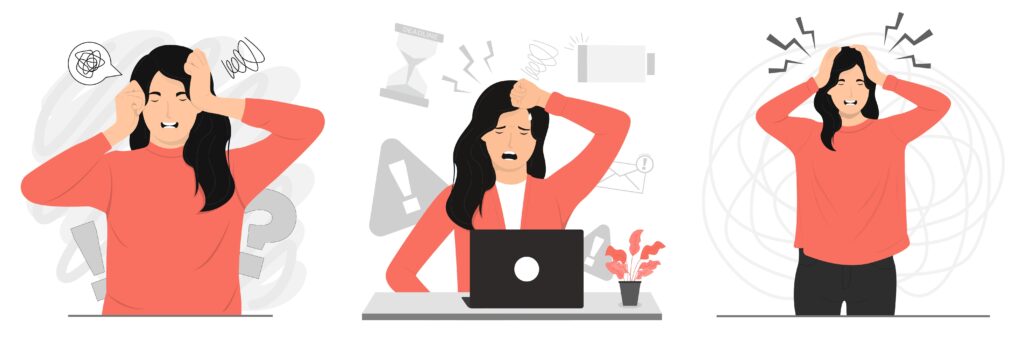
Therapy Isn’t Just for When Things Fall Apart
In the past, therapy was often seen as a last step, something people turned to only when life “got out of control.” But today, mental health challenges are part of modern life.
With constant change, uncertainty, and pressure, our minds are working overtime. It’s no surprise that stress, burnout, and anxiety have become common even among high-functioning adults.
Therapy isn’t about being “sick.” It’s about learning new ways to handle what life throws at you, so you can live with more balance, meaning, and calm.

The Urban Mind: Why City Life Drains Us
The National Mental Health Survey found that 13.5% of adolescents in Indian cities already meet criteria for a mental disorder — nearly double the rate in rural areas.
City life rewards speed, multitasking, and ambition. But the human mind wasn’t designed for constant stimulation and competition. It needs moments of rest, reflection, and connection to stay balanced.
When we’re always “on,” our nervous system stays in alert mode — leading to chronic stress, burnout, and emotional exhaustion.
Urban environments rarely allow the pause we need to process emotions or slow down. Over time, this disconnection from ourselves can feel like numbness, irritability, or emptiness — the very signals that therapy helps us address.

Ready to Begin?
So, Which One Is Right for You?
There’s no single “right” way to heal. Some people need to talk it out. Others need to paint, move, play, or sit quietly under a tree. Healing is personal and should be explored.
So, How Do You Know When It’s Time?
If you’ve been pushing through for too long, feeling disconnected from joy, or unable to manage your emotions like before, that’s your mind’s way of asking for help.
Whether you know what to do but can’t bring yourself to do it, or don’t even know where to start, therapy helps you understand your patterns, rebuild confidence, and move toward a healthier version of yourself.
At Ask A Therapist, therapy is all about understanding, healing, and growing.
If life has started to feel heavier than usual, that’s your mind’s way of saying it’s time to pause and reach out.