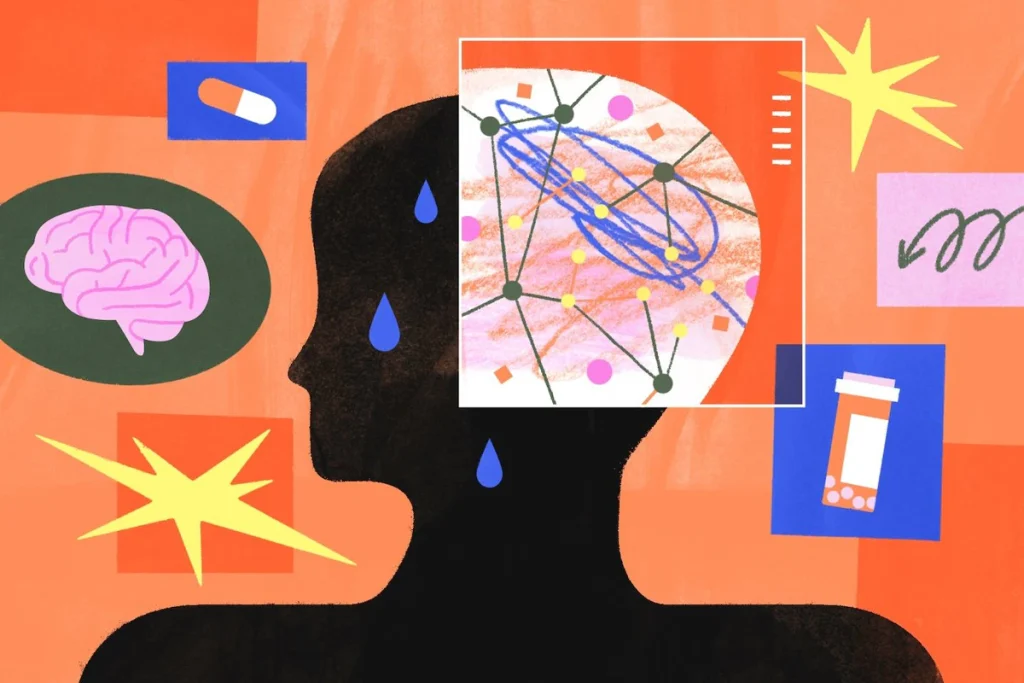
Brain Health Should Be A Part of Your Self Care!
All our emotions, thoughts, memories, and every decision we make is shaped by one remarkable organ, our brain. Yet, brain health often takes a backseat in conversations about overall well-being.
Many of us prioritise our physical health by eating better or exercising, but rarely stop to think about caring for our brain until something goes wrong. World Brain Day, observed every year on 22 July, reminds us that brain health is not just about treating illness. It is about prevention, awareness, early intervention, and ensuring that everyone has access to the care they need.
This year’s theme, Brain Health: Access for All, encourages us to look beyond medicine and recognise that quality brain healthcare should be available to everyone, irrespective of where they live or their financial circumstances.
Why Does World Brain Day Matter?
According to the World Federation of Neurology, over 3.4 billion people worldwide are currently living with neurological conditions. These conditions are now the leading cause of disability globally.
In India, this reality is particularly significant. With a large and diverse population, access to neurological care remains uneven. Rural and underserved communities continue to face barriers such as long travel distances, financial constraints, limited awareness, and a shortage of trained professionals. Mental health and neurological conditions also continue to be affected by stigma, preventing many people from seeking help early.
World Brain Day is therefore not only about raising awareness. It is about advocating for equitable access to care and encouraging conversations that can lead to meaningful change.
The World Brain Day 2026 campaign focuses on five important messages:
1. Brain health is for everyone.
2. Earlier access to care changes lives.
3. Prevention begins with everyday habits.
4. Brain care should be available within communities.
5. Awareness should lead to action.
Looking After Your Brain Starts with Everyday Choices
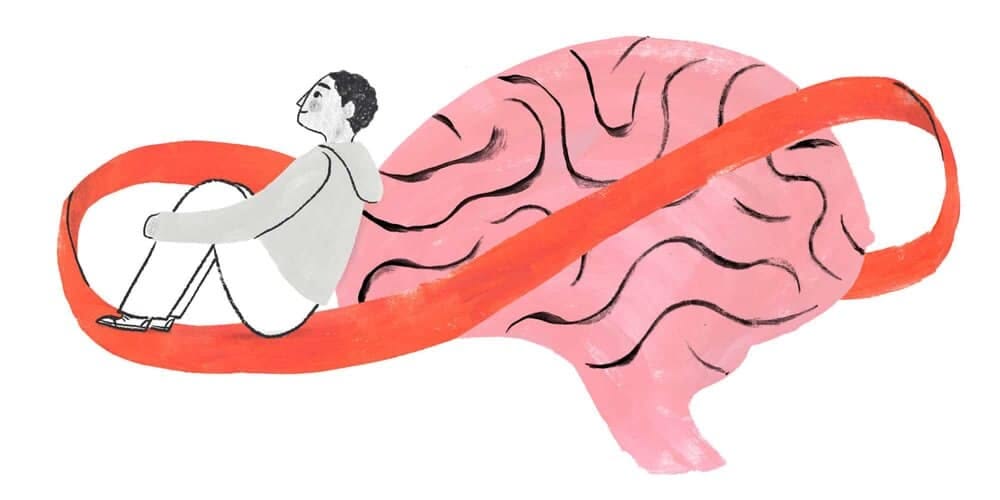
Our brains are constantly adapting to our experiences. This ability, known as neuroplasticity, means that our daily habits can influence how our brain functions over time.
Here are a few evidence-based ways to support brain health.
Keep Moving
Regular physical activity is not only beneficial for the heart but also for the brain. Research has shown that resistance training, particularly when combined with activities such as walking, can improve memory, attention, and other cognitive abilities.
Don’t Stop Learning
Trying something new encourages the brain to form new neural connections. Whether it is learning a language, playing an instrument, dancing, painting, cooking a new recipe, or even taking up embroidery, engaging in novel experiences helps keep the brain active throughout life.
Eat Well
A balanced diet rich in fruits, vegetables, whole grains, healthy fats, and adequate protein supports brain functioning. Reducing tobacco use, limiting alcohol consumption, and avoiding substance misuse also play an important role in maintaining neurological health.
Challenge Your Mind
Reading books, solving puzzles, learning new skills, engaging in meaningful conversations, or simply staying curious are all ways of exercising the brain.
Lift Weights
Several studies have demonstrated a link between resistance training and cognitive function, including one executed in 2025 that found that low-intensity strength training combined with walking was more effective at improving cognitive function than either high-intensity aerobic exercise or high-intensity strength training. (Wu & Huang, 2025)
Understanding How Our Body System Responds to Stress
Understanding the nervous system helps us appreciate the connection between physical and emotional health.
Frameworks such as Stephen Porges’ Polyvagal Theory and Deb Dana’s Autonomic Ladder explain how our autonomic nervous system responds to safety, stress, and perceived threat.
These models have become increasingly valuable in trauma-informed care and psychotherapy because they help us understand why our bodies react the way they do during stressful situations.
Recognising these responses is often the first step towards emotional regulation and recovery.
The Hand Model of the Brain
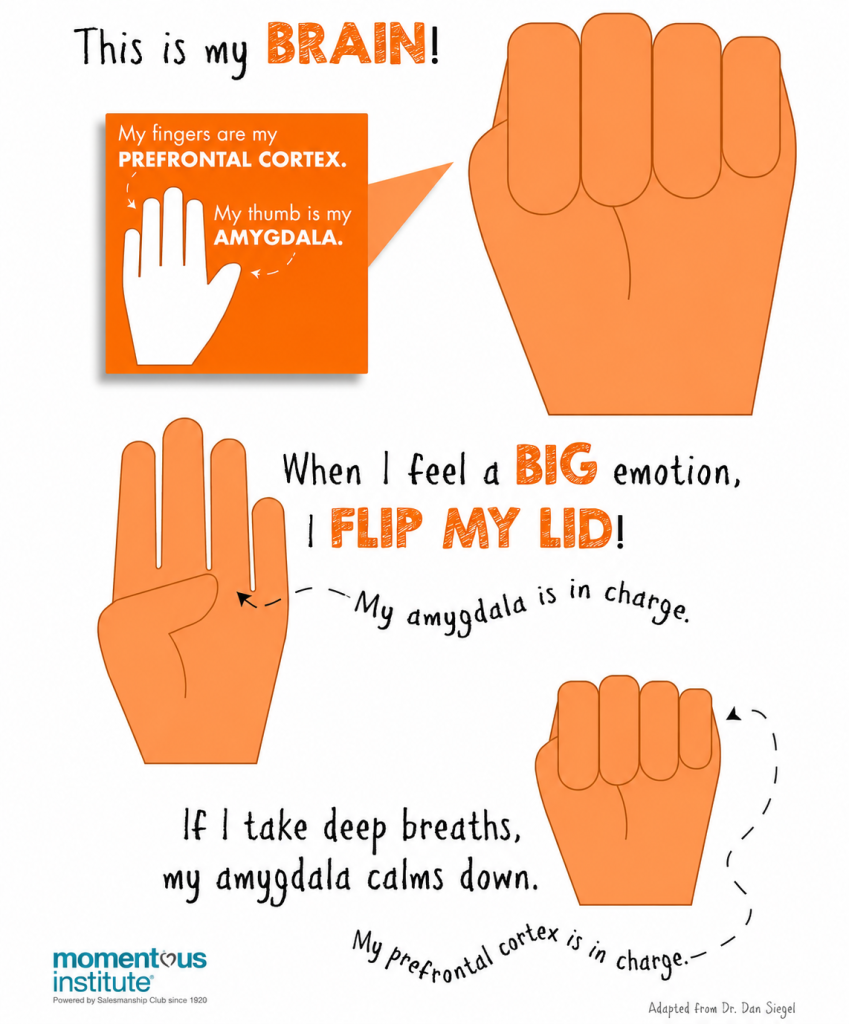
One simple way to understand the brain is through Dr. Dan Siegel’s Hand Model of the Brain.
Make a fist with your thumb tucked inside your fingers. Your thumb represents the emotional part of the brain, while your fingers represent the thinking part that helps with decision-making, problem-solving, and self-control.
When we experience intense stress, anger, or fear, it’s like our fingers lift away from the thumb. Dr. Siegel calls this “flipping your lid.” In these moments, emotions take over, making it harder to think clearly. Simple strategies like deep breathing, grounding, or taking a short break can help us feel calmer and regain control.
This World Brain Day, let’s not only care for our brains but also take the time to understand them. Awareness is the first step towards better brain health.
Ready to Begin?
Your brain works for you every day.
What are you doing to care for it?
Explore more mental health resources at Ask A Therapist and join us in making brain health a priority every day.
About The Contributor
Soumya Srivastava is a BA (Hons.) Psychology student at Bharati College, University of Delhi. She is passionate about exploring the intersection of psychology, films, media, and biopsychology, with a keen interest in applying psychological concepts to everyday life. At Ask A Therapist, she supports research, content development, community outreach, and operational initiatives that promote ethical and care driven mental health awareness.