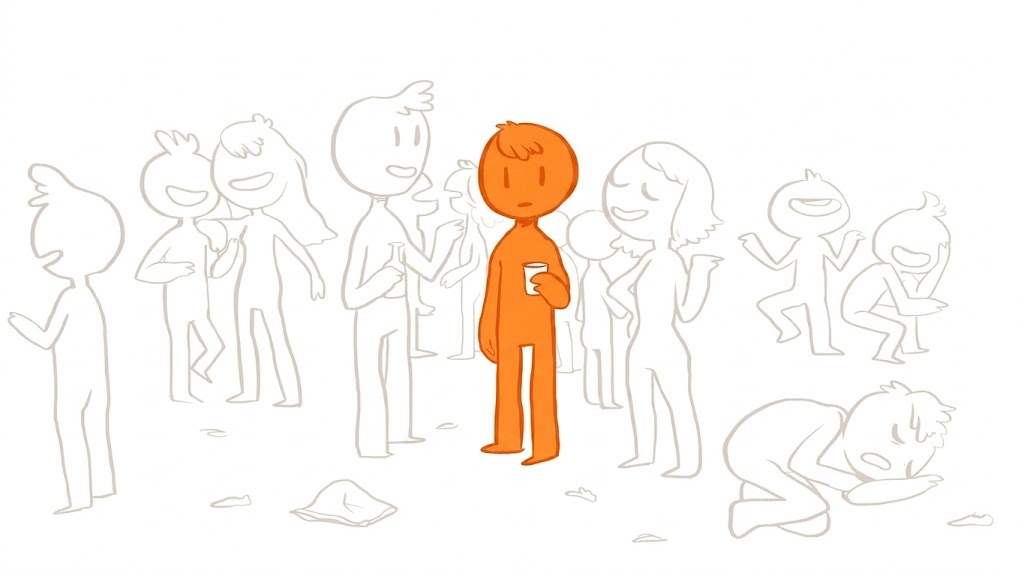
Understanding The Psychology of People-Pleasing
Why Saying No Feels So Hard?
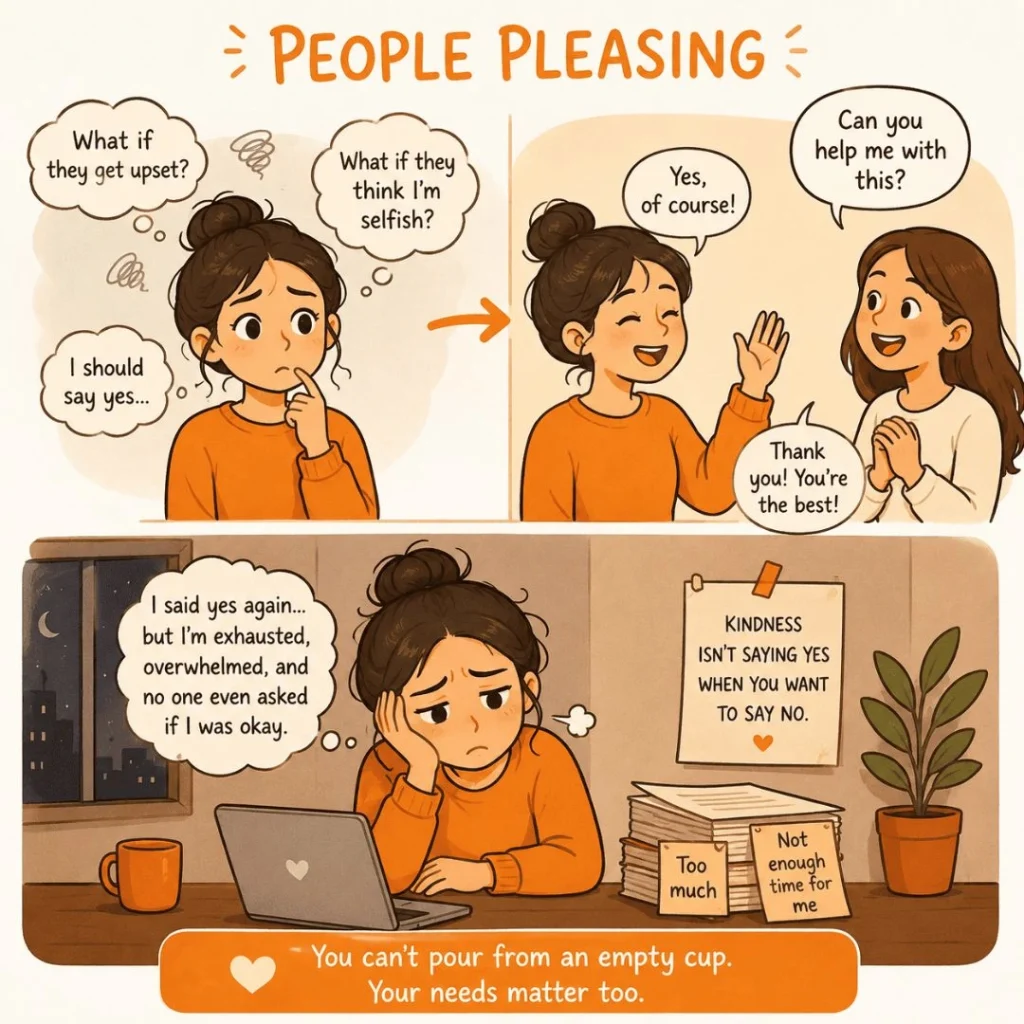
Someone asks you a simple question “Can you help me with this?”
And suddenly, it doesn’t feel like a question anymore. It feels like a test. A test of whether you’re kind enough, helpful enough and worth keeping around.
Before you’ve checked your schedule, considered your energy, you’ve already said yes. Hours later, the conversation is over. But the resentment remains.
Not toward them. Toward yourself.
Why is saying no so difficult?
Why does disappointing someone else feel worse than disappointing yourself?
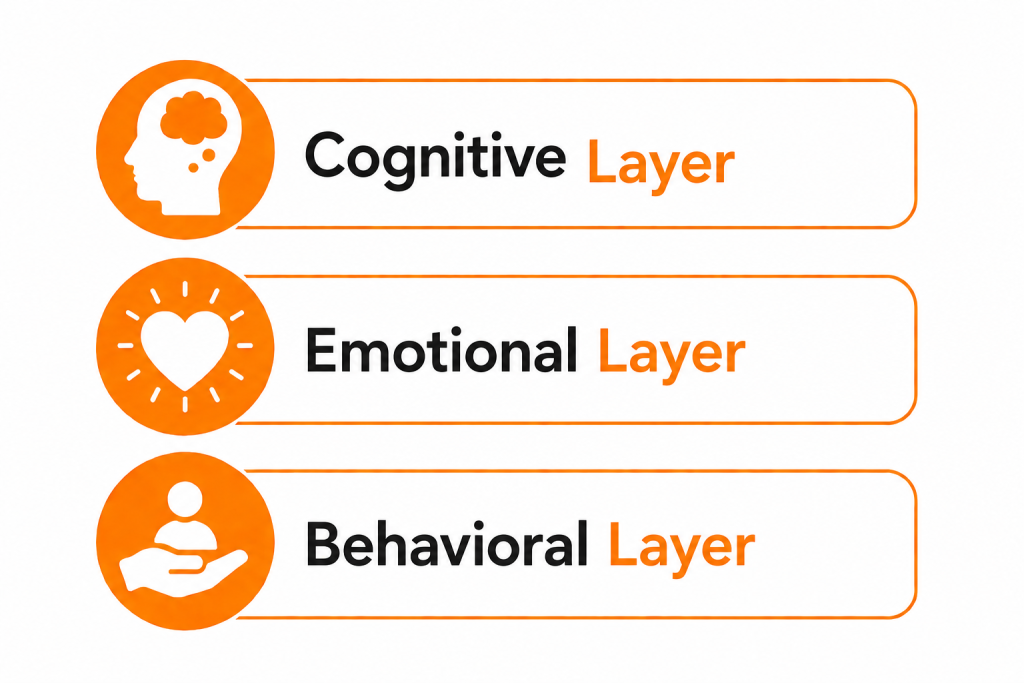
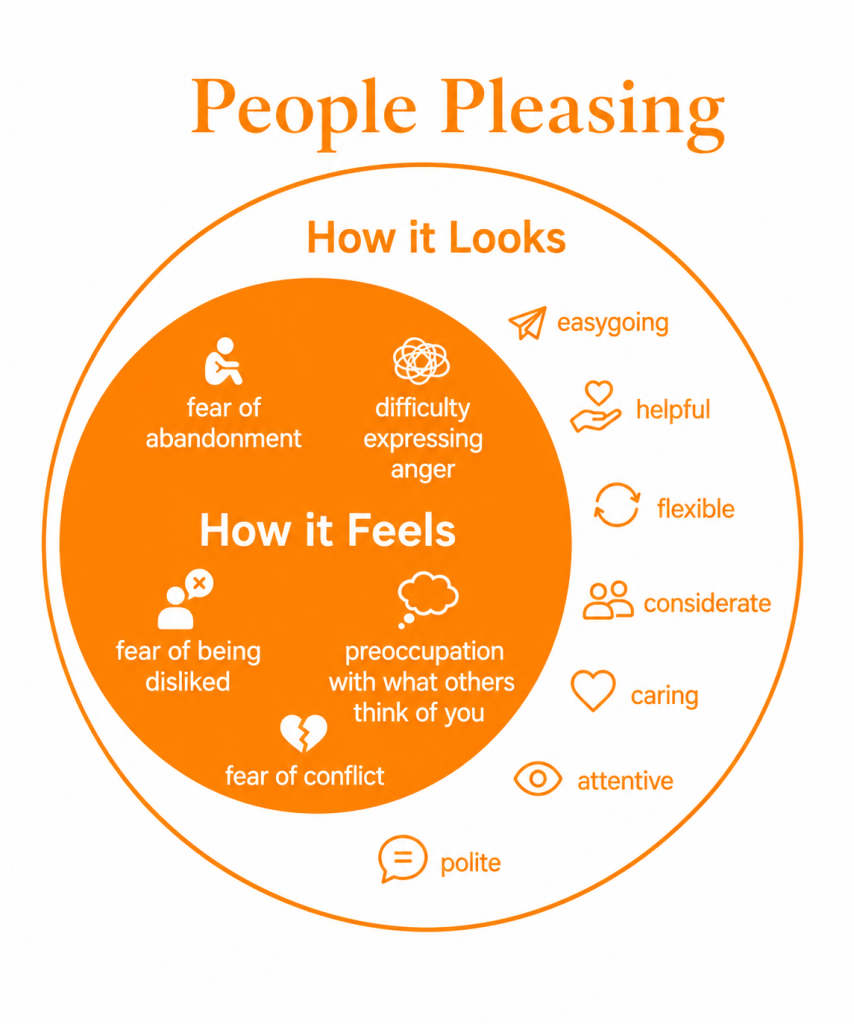
Psychologist Harriet Braiker, author of The Disease to Please (2001), was among the first to argue that people-pleasing is not simply a habit of saying “yes.” Instead, she proposed that it operates across three interconnected layers
"Most people think people-pleasing begins with saying yes. Psychology suggests it begins much earlier...."
The Thought Layer
According to Braiker, people-pleasing begins in the mind. Long before someone agrees to a request, their thoughts are already focused on the possible reactions of others. Questions such as “What if they get upset?” or “What if they think I’m selfish?” gradually replace the more important question: “What do I need?” Over time, decision-making becomes driven by anticipated approval rather than personal values.
The Feeling Layer
Beneath these thoughts lies an emotional need for acceptance, validation, and belonging. Approval begins to feel reassuring, while criticism, conflict, or disappointment can feel disproportionately threatening. As a result, many people-pleasers suppress emotions such as anger, frustration, or hurt in an effort to maintain harmony and avoid rejection.
The Action Layer
These thoughts and emotions eventually manifest as behaviors. This is where people leasing becomes visible through overcommitting, excessive apologizing, difficulty saying no, and consistently prioritizing other people’s needs above one’s own. While these behaviors are often praised as kindness or selflessness, they can gradually lead to emotional exhaustion and a disconnection from personal needs.
The Psychology Behind People-Pleasing
People-pleasing as a protective strategy that develops when individuals learn that keeping others happy is the safest way to navigate relationships. Rather than being a conscious choice, it can become an automatic response shaped by childhood experiences, nervous system conditioning, and fear of disconnection.
1. When Love Feels Conditional : Some people grow up feeling accepted only when they meet expectations, stay agreeable, or avoid causing problems. Over time, their self-worth can become tied to other people’s approval.
Research-Backed Ways to Break the People-Pleasing Cycle
1. Identify Your Approval Triggers
Psychologists Wang and colleagues (2020) explored people-pleasing through the concept of impression management. It is the tendency to carefully monitor and shape how others perceive us. Their research found that excessive concern about maintaining a positive image was associated with lower life satisfaction, reduced feelings of control, and greater loneliness.
try this Exercise: The last time i gave up my needs for someone was when...
Recognizing your triggers is often the first step toward changing the pattern.
2. Audit Your Support System
A 2025 study among emerging adults in Bengaluru found that higher levels of people-pleasing were associated with lower perceived social support. In other words, individuals who spent more time prioritizing others’ needs often felt less supported themselves. The researchers suggest that constantly seeking approval may prevent people from building authentic, reciprocal relationships.
try this Exercise: List 5 important people in your life and think 'Do I feel comfortable asking them for help?'
People-pleasers often ask, “Who needs me?” This exercise encourages a different question: “Who supports me?”
3. Practice One Act of Assertion
In a 2025 review published in Annals of Neurosciences, researchers Aratrika Chaudhuri and Naga Seema examined the work of physician and trauma expert Gabor Maté. One of the key concepts highlighted was Assertion, a component of Maté’s “Seven A’s of Healing,” which refers to the ability to acknowledge and express one’s own needs, preferences, and boundaries.
According to Maté, many people-pleasers learn early in life that being agreeable, compliant, and non-demanding is the safest way to maintain relationships. Over time, this can make self-expression feel uncomfortable or even threatening.
Practising assertion does not mean becoming confrontational. It means allowing your needs to exist alongside the needs of others.
A small act of assertion can be a powerful reminder that healthy relationships do not require constant self-sacrifice.
try this Exercise: Express one genuine Need today without apologising for it...
Breaking people-pleasing patterns is rarely about becoming less kind. It is about learning that your needs deserve the same care and consideration you so readily offer to others. The goal is not to stop helping people. The goal is to ensure that helping others is a choice rather than a requirement for feeling valued.
Ready to Begin?
Which exercise will you try today?
At Ask a Therapist, our psychologists provide a trusted and confidential space to help you understand these patterns & build relationships that feel fulfilling.
About the contributor
Sanya Changrani is a 2nd-year Master’s student in Psychology at the University of Delhi. With a strong interest in Child Psychology and Educational Psychology, she has undertaken specialized trainings and certification programs focused on child development, learning processes, and mental health. Sanya is committed to promoting the emotional and educational well-being of adults & adolescents and aims to contribute meaningfully to the field through research, assessment, and intervention.
References: Ayu, F. F., & Warastri, A. (2026). The Relationship Between People Pleaser Behavior and Psychological Well-Being in Generation Z. Golden Ratio of Social Science and Education, 6(1), 210-225.