
Why You Can't Sleep? The Crisis No One Is Talking About
Imagine a medication that could improve your memory, boost your concentration and help your brain recover from the & sleep better…
Sleep is one of the most powerful biological processes we have, and one of the most neglected.
In India, sleep deprivation appears particularly severe. Recent surveys suggest that nearly 60% of Indians do not get adequate sleep on a regular basis, while 1 in 3 urban Indians worry they may be experiencing insomnia.
Among younger generations, the numbers are even more concerning. A recent Gen Z survey found that 93% of young adults report staying up past their intended bedtime because of social media, while more than half admit to regularly doomscrolling late into the night. What begins as a few extra minutes online often turns into hours of lost sleep…
Sleep is the single most effective thing we can do to reset our brain and body health each day
Why Are So Many People Struggling to Sleep?
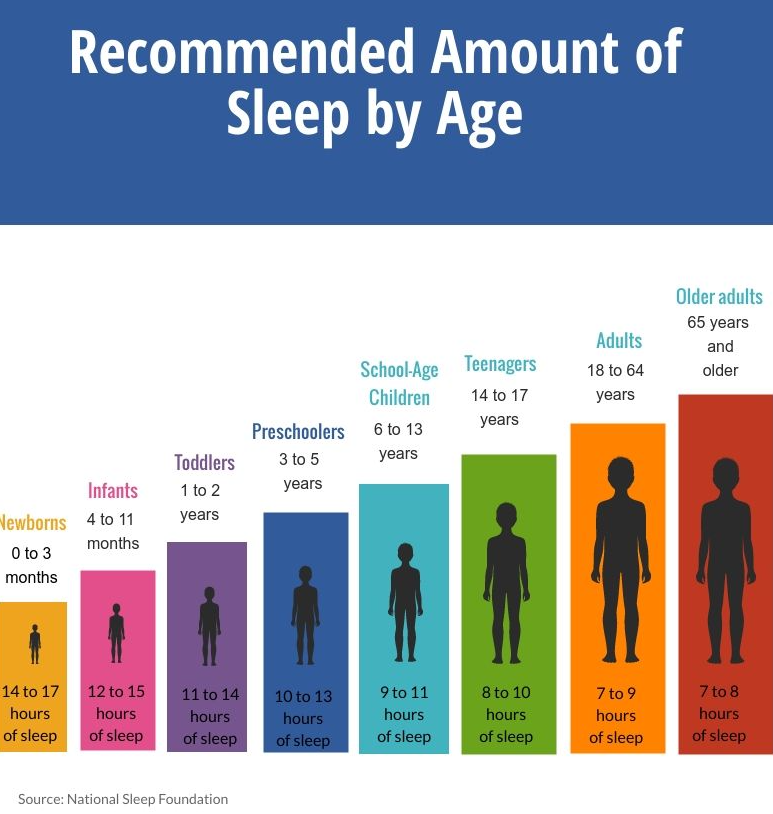
The reality is that modern life is filled with factors that actively work against healthy sleep. According to Stanford Medicine, more than 1 in 3 adults and nearly 8 in 10 teenagers do not get enough sleep on a regular basis. Sleep deprivation has become so common that many people now view exhaustion as a normal part of everyday life.
Stress is one of the leading causes of sleep difficulties worldwide. In the 2026 Global Sleep Survey, 39% of respondents identified stress or anxiety as their biggest barrier to sleep.
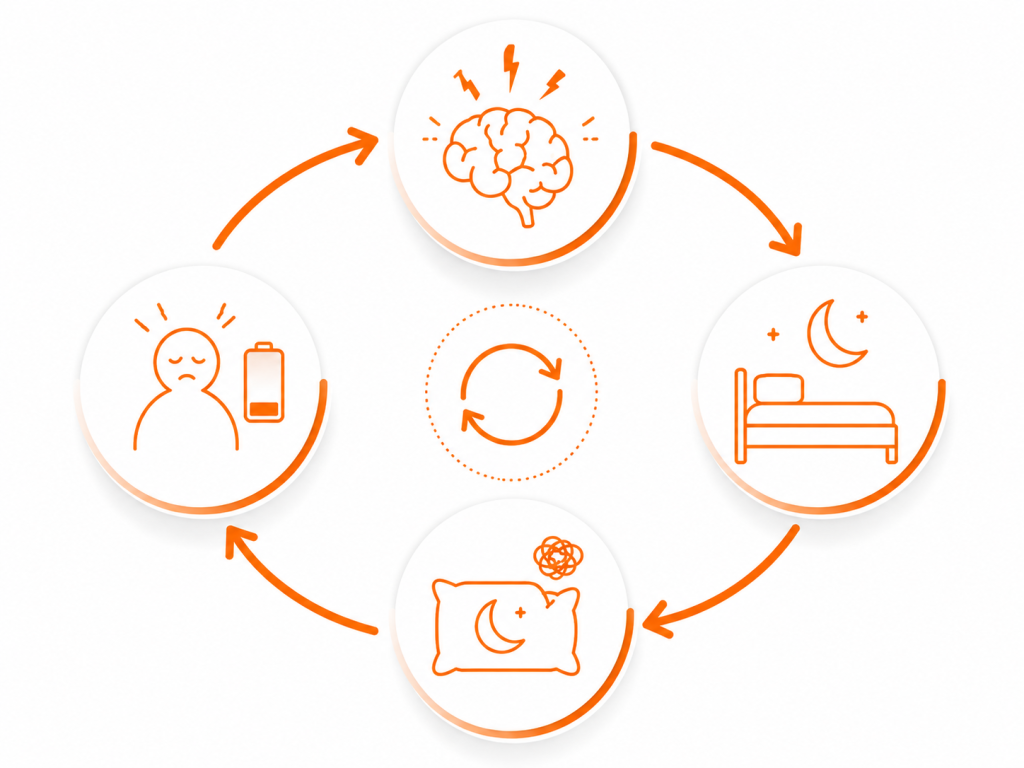
The problem is that stress does not simply disappear when we get into bed. Many people find themselves replaying conversations, worrying about deadlines, thinking about finances, or mentally preparing for the next day. Sleep researchers refer to this as cognitive-emotional arousal , a state where the body is tired, but the brain remains alert. (Harvey, 2002)
Our Phones Are Competing With Our Sleep
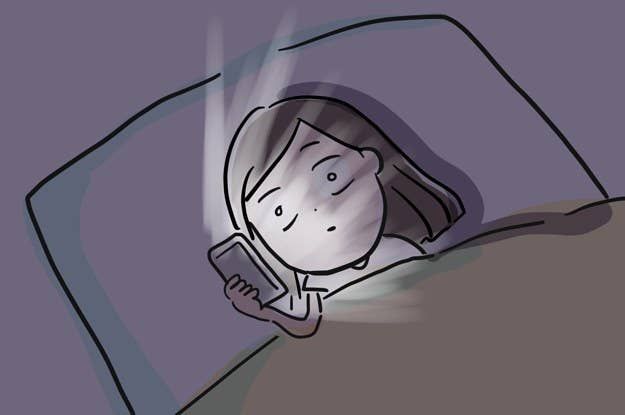
Approximately 70% of people use social media after getting into bed. Among teenagers, nearly 45% report being online “almost constantly.” What makes this particularly challenging is that social media does not simply consume time. It also keeps the brain mentally engaged. Every notification, video, message, and update signals the brain to stay alert rather than prepare for sleep.
Fear of Missing Out (FOMO) is the anxiety that we might miss something important if we disconnect from the social media apps. As a result of this, bedtime has increasingly become associated with screen time.
Adding to that, human beings evolved with predictable patterns of light and darkness. But today, artificial lighting, late night scrolling, shift work, and around-the-clock connectivity have dramatically changed those patterns.
Charles Czeisler describes this mismatch as circadian misalignment—a state in which a person’s sleep–wake schedule does not align with their internal biological clock, leading to conflict between when the body “expects” sleep and wakefulness and when these actually occur. (Czeisler & Gooley, 2007).
This is particularly evident among shift workers. Over 60% of night-shift workers sleep less than 7 hours per day because they are attempting to sleep at times when their bodies naturally expect to be awake.
Sleep Affects Your Feelings
In one of the largest reviews of sleep and emotional functioning, Palmer and colleagues (2024) analyzed more than 50 years of sleep research involving over 5,700 participants across 28 countries. While sleep loss was associated with greater anxiety and mood disturbances, the strongest and most consistent finding was a reduction in positive emotions.
Sleep plays a critical role in maintaining the brain’s reward system, involving dopamine, a neurotransmitter linked to motivation. When sleep is restricted, these circuits may become less responsive, causing positive experiences to feel less emotionally impactful.
As a result, people reported lower levels of enthusiasm, excitement, motivation, interest, and enjoyment. Activities that would normally feel rewarding seemed less rewarding, and small victories felt less satisfying.
Research-Backed Ways to Improve Sleep
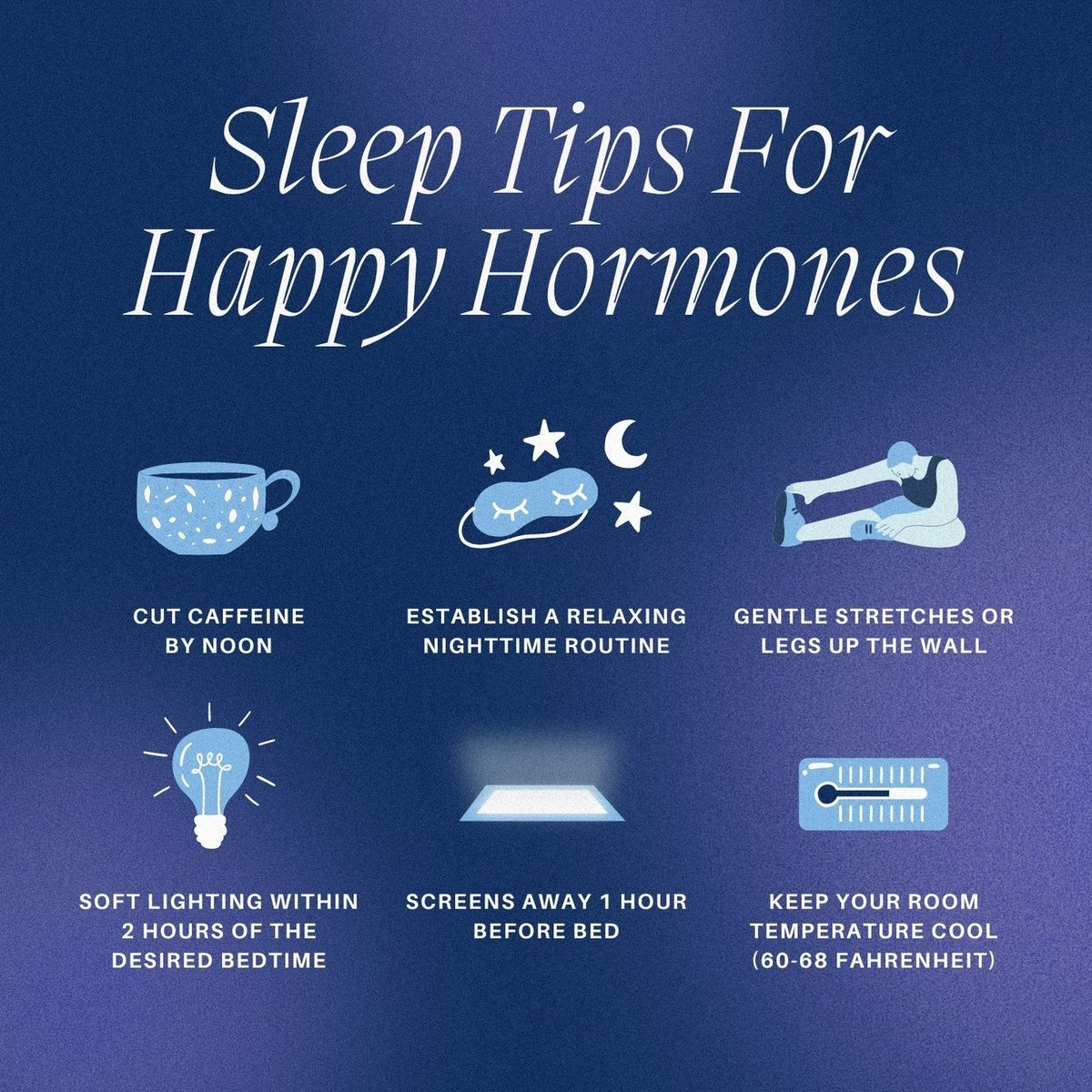
1. Get Morning Sunlight : Exposure to natural sunlight within the first hour of waking helps regulate your circadian rhythm. Morning light exposure can improve sleep quality, reduce the time it takes to fall asleep, and support daytime alertness
2. Reduce Blue Light Before Bed : Blue light from smartphones, laptops, and televisions can suppress melatonin, the hormone that signals your body it’s time to sleep. Evening exposure to blue light may delay sleep onset and reduce sleep quality. Limiting screens 1-2 hours before bed can help your brain transition into a restful state.
3. Lifestyle Management: Avoid coffee, tea, energy drinks, and other sources of caffeine at least 8 hours before bedtime, as caffeine can reduce total sleep time and delay sleep onset. Listening to slow-tempo music (60-80 beats per minute) for 20 minutes before bed may help lower heart rate and create a more relaxed state for sleep.
4. Try Cognitive Shuffling : Think of random, unrelated words or images, for example, apple, mountain, candle, bicycle. This will mimic the broken way in which thoughts naturally occur before sleep. Do this instead of replaying your day.
Could Your Sleep Problems Be a Sign of Something More?
Occasional sleepless nights are normal, but ongoing sleep difficulties shouldn’t be ignored. Long term sleep problems can sometimes be linked to sleep disorders:
- Insomnia : Difficulty falling or staying asleep.
- Sleep Apnea : Repeated pauses in breathing during sleep.
- Narcolepsy : Excessive daytime sleepiness and sudden sleep episodes.
- Circadian Rhythm Disorders : A mismatch between your body’s internal clock and daily schedule.
- Hypersomnia : Excessive sleepiness despite adequate rest.
Sleep difficulties are often influenced by more than physical factors. Stress, anxiety, burnout, overthinking, and emotional challenges can make it harder for the mind and body to rest.
Find answers to your sleep today! And support your mental health and quality of life!
free mental health tools
Join Ask A therapist Whatsapp Channel
Get regular mental health exercises, tips and psychologist backed solutions
About The Therapist
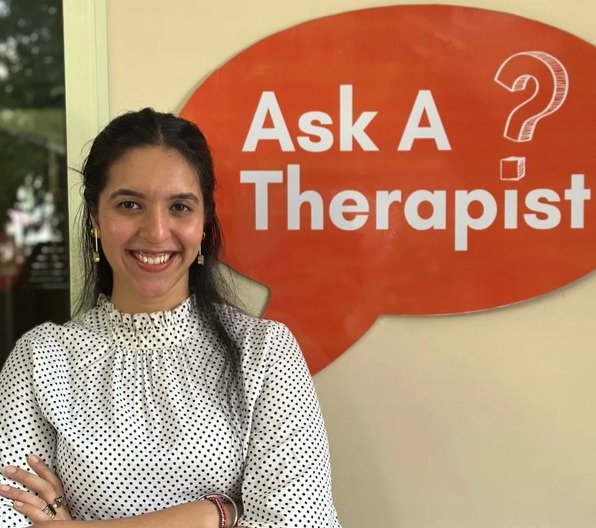
Iknoor Kohli has been working in the field of mental health for the more than 6 years, offering therapy to individuals and couples, both online and offline. She is the founder of Ask A Therapist, a platform created to provide accessible, credible, and ethical mental health support, where people can ask questions and receive guidance they can trust. Alongside her clinical practice, she conducts trainings and workshops for corporates, schools, NGOs, and colleges, focusing on emotional wellbeing and self-awareness. She has also collaborated with institutions such as the Government of India and Maulana Azad Medical College. Her work focuses on helping people move from uncertainity to clarity.
Ready to Begin?
There’s no single “right” way to heal. Healing is personal and should be explored.